
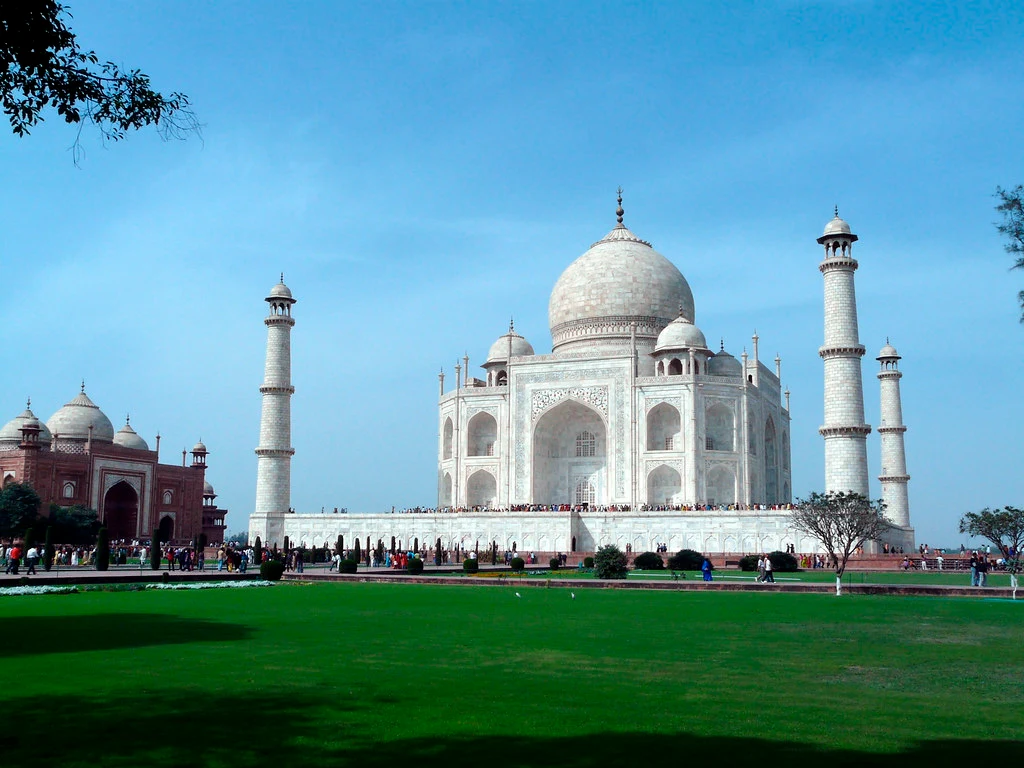
Clear guide to Taj Mahal photography rules, banned items, tripod and drone policy, and what to pack for great photos.
Taj Mahal Photography Rules: What You Can and Cannot Bring answers the questions photographers ask most often before booking entry tickets. The monument is one of the most photographed buildings on earth, yet security rules are strict and enforced daily. Tripods, drones, large bags, and certain accessories are commonly restricted. This guide explains what is allowed, what is banned, and how to plan a photo-focused visit after you secure Taj Mahal entry tickets for your chosen date and time slot.
Why Photography Rules Are Strict
The Taj Mahal is a UNESCO World Heritage Site with fragile marble surfaces, large daily crowds, and high security requirements. Photography rules exist to protect the monument, maintain visitor flow, and prevent equipment from blocking pathways or damaging structures. Many travelers search Taj Mahal photography rules because online photos suggest professional setups, while on-site enforcement tells a different story.
Understanding rules before you pack your bag saves time at security and prevents disappointment. A rejected tripod or confiscated drone can disrupt a carefully planned visit, especially when your entry ticket is tied to a fixed date and time slot with a no-cancel policy. Plan your gear list around permitted items, not wishful thinking.
Photography Rules Overview
| Item or activity | Typical rule at Taj Mahal |
|---|---|
| Handheld cameras and phones | Generally allowed in most outdoor areas; check signs near the mausoleum. |
| Tripods and monopods | Often prohibited or heavily restricted; do not rely on them without official confirmation. |
| Drones | Prohibited; flying a drone near the monument carries serious legal and security consequences. |
| Large bags and professional kits | Limited or screened slowly; pack minimal gear to speed up entry. |
What You Can Usually Bring
Most visitors can bring smartphones and compact handheld cameras without issue in the outer gardens and main platform areas. Standard tourist photography, family portraits, and wide shots of the dome and minarets are expected and welcome in designated zones. Keep your equipment simple: one camera or phone, a spare battery, and a lens cloth for marble dust and humidity.
Natural light changes quickly at the Taj Mahal, especially during forenoon entry when shadows are softer and crowds are lighter. Afternoon light can be harsh but dramatic. Your best tool is often timing rather than heavy gear. Book the slot that matches the light you want, and arrive early within that window so security does not consume your golden hour.
- Phones and mirrorless cameras are practical for most travelers.
- Small shoulder bags pass security faster than large backpacks.
- Extra memory cards help if you shoot heavily without changing lenses often.
- Entry ticket confirmation should be saved offline on your phone alongside photos you take later.
What You Cannot Bring or Use
Tripods are the most common surprise for photography enthusiasts. Many visitors assume a small travel tripod is harmless, but security staff frequently stop them at the gate or near the mausoleum because they block paths and create obstruction in crowded areas. Treat tripods as prohibited unless official guidance for your visit date explicitly says otherwise.
Drones are strictly banned over and near the Taj Mahal. Do not pack a drone hoping to fly outside the walls; enforcement is serious and penalties can extend beyond a simple confiscation. Selfie sticks may face limits in tight interior spaces. Flash photography inside the mausoleum is typically restricted to protect the interior environment.
Professional video rigs, large lighting equipment, and bulky camera cases are impractical and may draw extra scrutiny. Commercial shoots usually require special permissions that standard entry tickets do not cover. If you are traveling for content creation, research permits separately rather than relying on a normal visitor ticket.
Best Photo Spots Without Banned Gear
Central axis from the gateway
The classic symmetrical view down the reflecting pool needs no tripod if you arrive early. Hold your camera steady, use burst mode, and shoot multiple frames. Forenoon slots give cleaner compositions before tour groups fill the center line.
Side angles on the marble platform
Move left or right of the main dome for dynamic angles and fewer people in frame. A wide lens on a handheld camera captures scale better than zooming from one fixed spot.
Minaret and garden details
Close-ups of marble inlay, flowers, and archways reward patient walking. These shots do not require special equipment, only time and attention to composition.
Exit through outer gardens
On the way out, revisit garden paths for softer background light. Many visitors rush to leave after the main platform, missing quieter photo opportunities.
Security Screening and Bag Tips
Every item you carry passes through security. Photographers who pack light clear screening faster and keep more time for shooting. Separate electronics if asked, follow staff instructions, and never argue about banned items at the gate. If something is not allowed, accept the rule and proceed; delaying entry cuts into a timed slot tied to your non-refundable ticket.
Store unnecessary valuables at your hotel. A minimal kit might include one camera, one lens or phone, battery, and a small cloth. Leave laptop bags, drone cases, and full tripod kits behind unless you have verified permission. For more general visit planning, see our Taj Mahal guides on timing, gates, and routes.
Timing Your Visit for Better Photos
Forenoon entry is ideal for softer light and shorter queues at security, which matters when you want uninterrupted shooting time. Afternoon visits can produce strong contrast and deep blue skies but require sun protection and patience in crowds. Winter fog may soften distant backgrounds or hide far views; adjust expectations and focus on detail shots when visibility is low.
Weekdays generally offer calmer conditions than weekends and public holidays. Because tickets are often date-specific with no-cancel terms, choose your photo day when your travel schedule is firm and weather forecasts look acceptable.
Common Photography Mistakes
- Bringing a tripod without checking rules: Leads to rejection or forced storage outside.
- Packing a drone: Risk of confiscation and legal trouble.
- Arriving late in the slot: Security and crowds reduce usable photo time.
- Using flash inside the tomb: Often restricted and disrespectful in quiet spaces.
- Blocking pathways for shots: Staff will intervene quickly in busy areas.
Respectful Photography Inside the Mausoleum
Interior rules prioritize preservation and reverence. Voices stay low, movement stays slow, and photography may be limited or prohibited in certain chambers. Even when photos are allowed, avoid flash and do not touch surfaces for angles. The best interior images are often quiet, handheld, and brief rather than elaborate setups.
Remember that your entry ticket grants access as a visitor, not as a commercial production crew. Respect monument staff, other guests, and cultural sensitivity at all times. Great Taj Mahal photography is as much about patience and manners as it is about equipment.
Frequently Asked Questions
Are tripods allowed at the Taj Mahal?
Usually no. Tripods are commonly prohibited because they obstruct paths and crowded viewing areas. Plan for handheld photography instead.
Can I fly a drone for aerial photos?
No. Drones are banned near the Taj Mahal, and enforcement is strict. Do not bring a drone to the site.
Is mobile photography enough for a good visit?
Yes. Modern phones capture excellent wide and detail shots, especially in good forenoon light. Many iconic images are taken on smartphones.
Can I use flash inside the mausoleum?
Flash is typically restricted or discouraged inside the tomb. Follow posted signs and staff instructions at all times.
Do photography rules affect my entry ticket?
Your ticket covers standard visitor access, not professional or commercial shoots. Banned items are separate from ticket validity, and tickets remain date-specific with no-cancel conditions.
Ready to Plan a Photo-Focused Visit?
Pack light, book the right time slot, and arrive early for the best light and smoothest security. When you are ready, View Tickets Now →